
 APPOINTMENTS



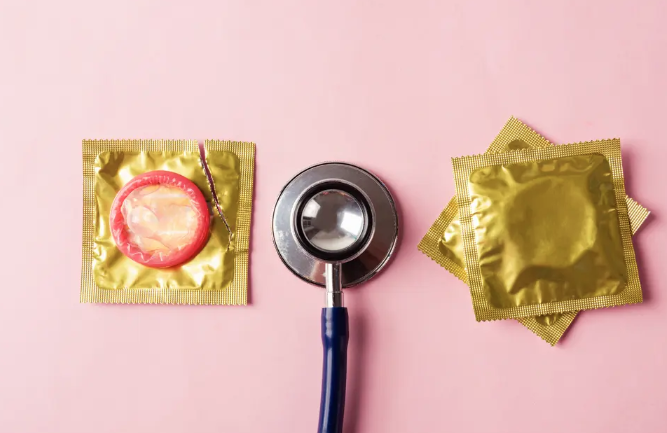
What are STDs and how are they transmitted?
Sexually transmitted infections (STIs) are infections primarily transmitted through unprotected sexual contact. STI symptoms can vary depending on the type of infection, and STIs can be caused by bacteria, viruses, fungi, or parasites, affecting both men and women. Common STIs include chlamydia, gonorrhea, human papillomavirus (HPV), genital herpes, syphilis, and HIV. Many of these infections can go undetected for some time, increasing the risk of transmission and complications.
Main symptoms of STDs in women
The symptoms of STIs in women can vary depending on the type of infection, but there are common signs to watch out for. One of the most frequent is abnormal vaginal discharge, which may present changes in color, odor, or texture.
Discomfort such as itching, burning, or irritation in the intimate area may also occur, as well as pain during sexual intercourse. In some cases, women may experience pelvic pain or a feeling of pressure in the lower abdomen.
Other symptoms include bleeding between periods, discomfort when urinating, or the appearance of small lesions, warts, or sores in the genital area. It’s important to remember that some STIs may not cause symptoms, so the absence of signs does not guarantee the absence of infection.
How to know if I have an STD
When an infection is suspected, many people wonder how to know if they have an STD. Although certain symptoms can be indicative, the diagnosis can only be confirmed through specific medical tests.
If you’ve had unprotected sex, are experiencing symptoms, or a partner has been diagnosed with an STI, it’s advisable to get tested for STIs. This may include blood tests, vaginal swabs, or specific tests depending on the suspected infection.
Early diagnosis allows for the start of appropriate treatment and prevents complications or transmission to other people.
When to get tested for STIs
Getting tested for STIs is essential in various situations. It’s recommended to see a specialist if you experience symptoms consistent with an infection or after engaging in risky sexual activity.
It’s also advisable to get regular checkups if you have multiple sexual partners or a history of STIs. In many cases, these infections can be asymptomatic, so preventative testing is key to detecting any problems early.
Consequences of not treating an STD
Not treating a sexually transmitted infection can have serious health consequences. Some infections can lead to pelvic inflammatory disease, chronic pain, or fertility problems.
In other cases, they can increase the risk of ectopic pregnancy or facilitate the transmission of other infections. Furthermore, certain STIs require medical follow-up to monitor their progression and prevent long-term complications.
Prevention of sexually transmitted diseases
Prevention is the most effective tool for reducing the risk of contracting STIs. Correct condom use during all sexual activity is one of the most important measures.
Likewise, communication with your partner, regular testing, and vaccination in indicated cases, such as HPV, help maintain good sexual health.
Adopting responsible habits and being well informed significantly reduces the risk of infection.
The importance of early diagnosis
Detecting an STI in its early stages facilitates treatment and improves the prognosis. Early diagnosis allows for rapid action, reduces transmission, and prevents more serious complications.
Furthermore, it provides peace of mind to the patient and allows them to make informed decisions about their health and sex life.
Medical care and STD testing in Algeciras
A professional diagnosis is essential to confirm the presence of an STI and receive appropriate treatment. Medical tests allow doctors to identify the type of infection and determine the most effective approach in each case.
If you would like more information on diagnosis and treatment, you can visit our Sexually Transmitted Infections page in Algeciras . You can also find additional information on the World Health Organization website .
Frequently Asked Questions about STIs
Do all STDs have symptoms?
No. Many infections may not show symptoms for a while, so testing is essential to detect them.
When should I get tested for STIs?
If you have had unprotected sex, are experiencing symptoms, or want to have a preventive check-up of your sexual health.
Are there treatments for STDs?
Many STIs are treatable and can be cured, especially those of bacterial origin. Others can be managed with appropriate medical follow-up.